Monel metal and alloys are essential materials for industries that require superior strength, corrosion resistance, and reliability. Widely used in marine, chemical, and aerospace applications, Monel’s unique properties make it a top choice for demanding environments. For manufacturers and suppliers looking to expand their stock or professionals looking for Monel for sale, this guide provides a detailed overview of what Monel is, its grades, properties, and applications. If you’re looking for a competitively priced Monel supplier or require reliable inventory, read on to learn why Monel is so important.
What are Monel Metals and Alloys?
Monel is a nickel-copper alloy that contains approximately 65-70% nickel, copper, and smaller amounts of iron, manganese, carbon, and silicon. These alloys are prized for their excellent resistance to seawater and acidic environments. For suppliers and manufacturers, offering stocked Monel ensures that their customers have access to high-performance materials for a variety of industries.
As a buyer, manufacturer, or supplier, knowing what Monel metal is will help you make informed decisions—whether you’re selecting materials for demand-heavy environments or comparing quotes from different suppliers.
Monel Metals and Alloys Grades
The most common grades of Monel alloys include:
Monel 400: Known for excellent corrosion resistance and strength. Popular among manufacturers and suppliers due to its versatility.
Monel K500: A precipitation-hardened version of Monel 400, offering higher strength and hardness, making it a premium choice for high-demand applications.
Monel 405: A free-machining grade of Monel 400, often sought after for precision machining projects.
For businesses dealing with Monel alloys, maintaining a stock of these grades is essential to meet the needs of buyers looking for quality materials at competitive prices.
Monel Alloys Data Sheet
Monel Alloys Chemical Compositions
Below is a table showcasing the chemical compositions of commonly available Monel alloys. For suppliers and manufacturers, providing this data ensures transparency for buyers seeking specific properties.
| Grade | Ni | Cu | Fe | Mn | C | Si |
|---|---|---|---|---|---|---|
| Monel 400 | 63-70% | 28-34% | ≤2.5% | ≤2% | ≤0.3% | ≤0.5% |
| Monel K500 | 63-70% | 27-33% | ≤2% | ≤1.5% | ≤0.25% | ≤0.5% |
| Monel 405 | 63-70% | 28-34% | ≤2.5% | ≤2% | ≤0.3% | ≤0.5% |
The Mechanical Properties of Monel Metal
Providing mechanical property data helps buyers compare grades and make informed decisions when purchasing from suppliers or manufacturers.
| Grade | Tensile Strength (MPa) | Yield Strength (MPa) | Elongation (%) |
|---|---|---|---|
| Monel 400 | 480-620 | 170-345 | 35-45 |
| Monel K500 | 965 | 690 | 20-30 |
| Monel 405 | Similar to Monel 400 | Similar to Monel 400 | Similar to Monel 400 |
The Physical Properties of Monel Alloy
| Grade | Density (g/cm³) | Melting Range (°C) | Thermal Conductivity (W/m·K) |
|---|---|---|---|
| Monel 400 | 8.80 | 1300-1350 | 21.8 |
| Monel K500 | 8.44 | 1350-1400 | 20.9 |
| Monel 405 | Similar to Monel 400 | Similar to Monel 400 | Similar to Monel 400 |
Characteristics of Monel Alloys
Corrosion Resistance: With excellent resistance to seawater and acidic environments, Monel alloys are popular among suppliers catering to the marine and chemical industries.
High Strength: Ensures reliable performance in applications requiring durable materials.
Versatility: Easily fabricated, welded, and machined, making it a top choice for manufacturers.
Melting Point of Monel
The melting point of Monel Metal is usually between 1300°C and 1350°C, which allows it to remain stable in high temperature environments. However, different Monel grades vary slightly:
| Alloy | Melting Point Range (°C) |
|---|---|
| Monel 400 | 1300-1350 |
| Monel K500 | 1350-1400 |
| Monel 405 | Similar to Monel 400 |
This property makes monel alloy an ideal material for chemical equipment, heat exchangers and applications in high temperature environments. If you are looking for alloys suitable for high temperature applications, we are a monel alloy supplier and can provide you with specific material options and pricing information.
Advantages of Monel Metals and Alloys
Outstanding Corrosion Resistance – especially in marine, acidic, chloride-rich environments.
High Strength – especially in grades like K500, plus good fatigue resistance.
Versatility in Fabrication – weldable, workable, and machinable in proper grades.
Long Life Cycle – lower maintenance, fewer replacements needed.
What are the limitations of Monel?
Although Monel is known for its excellent performance, it also has some limitations that need to be considered when selecting materials:
Higher Cost:
Monel alloy is mainly composed of nickel and copper, which are expensive metals, resulting in a higher overall material cost. Budget-sensitive projects may prefer other alternatives.
Processing Difficulty:
Monel alloy’s high strength and toughness require more specialized equipment and techniques during processing, such as special tools and lower cutting speeds.
Performance in Oxidizing Environments:
In high-temperature oxidizing environments, Monel alloy may not be as corrosion-resistant as other nickel-based alloys, such as Inconel.
Magnetic Issues:
Although most Monel alloys are non-magnetic, they may be slightly magnetic in certain environments, such as after long-term use or cold working, which requires special attention.
For projects that need to balance cost and performance, Monel alloy suppliers and manufacturers can provide professional advice based on the specific application scenarios provided by customers to help customers choose the most suitable material.
Applications for Monel Alloys
Monel alloys are indispensable in:
Marine Engineering: Used in propeller shafts, seawater pumps, and marine hardware.
Chemical Processing: Ideal for heat exchangers, reactors, and tanks exposed to harsh chemicals.
Oil & Gas: Suitable for valves, pipelines, and downhole tools in corrosive environments.
For manufacturers and suppliers, offering Monel alloys for sale ensures they can meet the needs of industries seeking dependable, high-performance materials.


Magnetism: Is Monel Alloy Magnetic?”
Monel alloy is generally non-magnetic, which is one reason it is widely used in electronic equipment and marine fields. For example, both Monel 400 and K500 have low magnetic permeability, making them suitable for applications that require non-magnetic properties, such as radar and sensor systems.
However, under certain specific conditions, such as long-term cold working or mechanical deformation, Monel alloy may exhibit slight magnetism. This property is particularly important for precision equipment designers and manufacturers, and it is necessary to confirm the specific magnetic performance of the material with the supplier when purchasing.
If you have questions about the non-magnetic properties of Monel alloy or need more technical support, you can contact a reliable Monel alloy supplier for professional advice and quotes.
Current Trends & Market Overview
Supply and stock availability: Global supply chain disruptions have tightened availability for nickel raw materials. Reputable suppliers are increasing the safety stock of Monel 400 & K500 to meet demand.
Price volatility: Prices of nickel and copper fluctuate heavily, which affects Monel prices. Buyers are increasingly seeking locked-price agreements or just-in-time delivery.
Environmental & Regulatory Pressure: Emphasis on sustainability and lower environmental impact in the mining and processing of nickel and copper. Alloy manufacturers are adapting greener processes.
Emerging applications: Renewable energy (offshore wind), hydrogen production, and marine battery containers are newer fields where Monel is being tested for performance.
Material substitution: In some cases, lower-cost alternatives (e.g., duplex stainless steels, bronze, or other nickel alloys) are considered when full Monel performance is not needed.
How to Choose the Right Monel Alloy Supplier / Manufacturer?
For buyers and manufacturers sourcing Monel, these criteria help ensure you get the best material, support, and pricing:
Quality Certifications: Look for ISO, ASTM/ASME standards for Monel grades (e.g. Monel 400, K500, 405).
Stock Depth: Suppliers holding inventory in multiple Monel grades will enable faster delivery and better prices. Ask: What is your current stock of Monel alloy?
Manufacturing Capability: For custom shapes, heavy plates, or high-depth machining, select a manufacturer experienced in heat treating and fabrication of Monel.
Pricing Transparency: Clarify cost per kg or per lb, extra costs for finishing, heat treatment, shipping.
FAQs – Monel Metals and Alloys Questions Answered
What are Monel Metal used for?
Monel Metals are used in applications requiring high strength + excellent corrosion resistance: marine parts, valves, chemical process equipment, oil & gas, aerospace, sensors.
Is Monel Alloy Magnetic?
Generally non-magnetic in annealed condition. After cold working or deformation, slight magnetism may appear. Always check with the supplier/manufacturer if non-magnetic property is critical.
How do Monel 400, K500, 405 differ?
Monel 400 – excellent corrosion resistance, good strength, more easily fabricated.
Monel K500 – higher strength via precipitation hardening, less ductile, more difficult to machine.
Monel 405 – free-machining variant of Monel 400.
How are Monel Prices determined?
By raw material cost (nickel, copper), grade, form, document and testing requirements, shipping and duties, quantity and supplier’s margin.
Where can I get reliable Monel alloy stock / suppliers?
Look for certified manufacturers/suppliers with a solid reputation, good inventory, clear material data sheets, and a review of delivered parts. Ask for recent inspections/certifications.
Can Monel be welded like steel or stainless steel?
Yes, most Monel alloys weld well. But welding parameters must control heat input; some grades are more weldable than others.
Is Monel the same as Alloy 400?
Not exactly. Monel refers to a family of nickel-copper alloys, while Alloy 400 is the most common grade within this family. Alloy 400 has excellent corrosion resistance and is widely used in marine and chemical industries, but other grades like Monel K500 and Monel 405 offer different properties such as higher strength or better machinability.
Is Monel stronger than steel?
Monel alloys, especially Monel K500, can be stronger than many types of carbon steels due to precipitation hardening. However, compared with advanced alloy steels, Monel may not always have the same tensile strength. Its main advantage over steel lies in corrosion resistance rather than raw strength.
Is Monel better than stainless steel?
It depends on the application. Monel metal provides superior resistance to seawater and acidic environments, making it better than stainless steel in marine or chemical processing. However, stainless steel is usually more cost-effective and easier to source. Buyers should compare prices, stock availability, and performance requirements before deciding.
What are the disadvantages of Monel?
The key drawbacks of Monel include:
- High cost due to nickel and copper content.
- Difficult machining compared to stainless steel.
- Limited availability in some regions.
Despite these disadvantages, many suppliers and manufacturers still recommend Monel metal for projects where durability and corrosion resistance justify the price.
Why is Monel so expensive?
Monel’s price is driven by the high cost of its raw materials—mainly nickel and copper. Additionally, the manufacturing process and limited global stock contribute to higher prices compared with stainless steel or carbon steel. For buyers, consulting multiple suppliers is the best way to secure competitive pricing.
Is Monel rust proof?
While no metal is completely “rust proof,” Monel alloys are extremely resistant to corrosion, especially in seawater and acidic conditions. They outperform most steels in preventing rust, making them a top choice for marine and offshore applications.
Is Monel metal toxic?
No, Monel metal is not toxic under normal industrial use. It is safe for marine, chemical, and oil & gas applications. However, as with all metals, proper handling and workplace safety practices should be followed to avoid inhaling dust or fumes during machining or welding.
Is Monel lighter than titanium?
No, Monel metal is heavier than titanium. Monel’s density is around 8.8 g/cm³, while titanium is much lighter at ~4.5 g/cm³. However, Monel offers far greater corrosion resistance in saltwater compared with titanium alloys. The choice depends on whether weight savings or corrosion protection is the priority.
In Conclusion
Monel metal and alloys are versatile materials with excellent strength, corrosion resistance, and adaptability. For suppliers and manufacturers, having Monel alloy in stock ensures that a variety of industrial needs can be met.
If you are looking for Monel metal or seeking pricing details, Huaxiao Metal is your trusted source of quality materials. Contact us today to discuss your requirements and get a competitive monel quote!
Recommended Articles

The Difference Between Alloy 400 and Monel 400
Alloy 400 and Monel 400 actually refer to the same alloy, primarily composed of nickel (approximately 63%) and copper (approximately 30%), and they possess similar
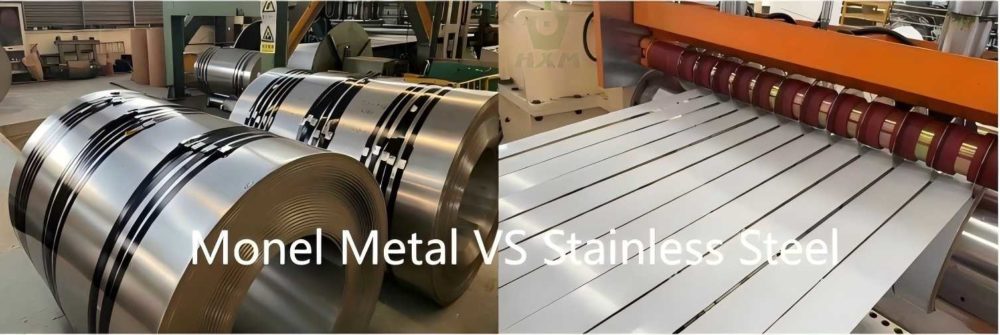
Monel Metal vs Stainless Steel
In industries where corrosion resistance, strength, and reliability are crucial, choosing the right material for specific applications can significantly affect performance and longevity. Two such
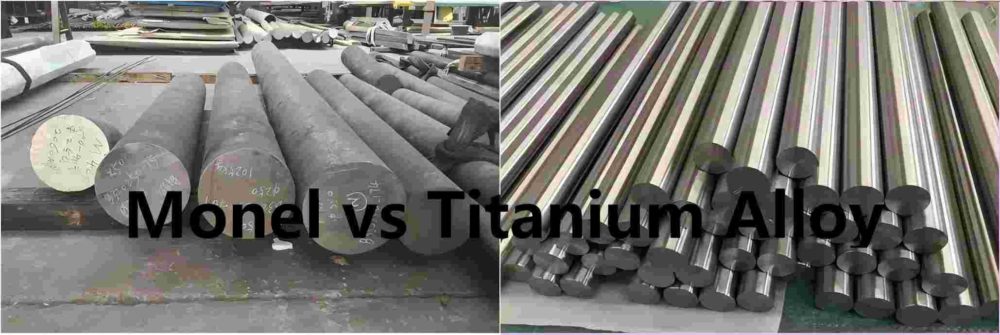
Monel vs Titanium Alloy — Complete Material Comparison (2026 Guide)
When selecting materials for demanding applications—whether in marine engineering, aerospace, chemical processing, or medical devices—choosing the right alloy is critical. Two popular options are Monel
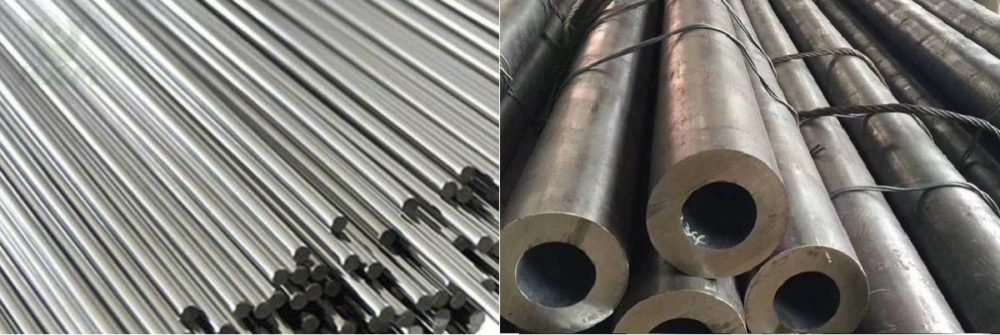
Inconel vs Monel Alloy – Comparison, Properties, Applications & Price
When selecting materials for demanding industrial applications, Inconel vs Monel alloys often stand out due to their outstanding properties. This blog will explore the key
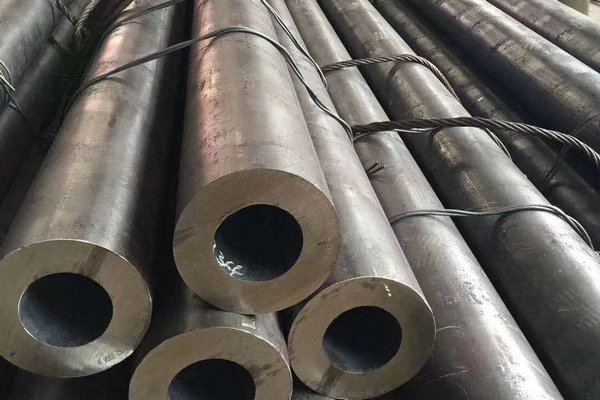
Monel Alloy
Monel Alloy Supplier and Manufacturer From China Huaxiao Metal is a professional Monel alloy supplier and manufacturer in China, specializing in Monel 400, Monel K-500,